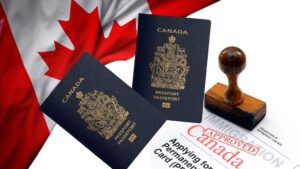

A caregiver work permit checklist should begin with the correct immigration pathway, not a generic list of documents. Applicants in Toronto and elsewhere may need different instructions depending on whether they are applying for a new permit, extending or changing an existing permit, using a caregiver pilot-related route, or dealing with an out-of-status situation. Confirm the applicable route first, then follow the current Immigration, Refugees and Citizenship Canada (IRCC) instructions for that route. IRCC’s information about working temporarily as a caregiver is a useful starting point.
1. Identify the Caregiver Work Permit Pathway
There is no single caregiver work permit checklist for every applicant. First determine whether your situation involves:
- A new temporary work permit application: You are seeking authorization to work in Canada as a caregiver.
- An extension or change: You already hold or held a relevant permit and need to extend it or change its conditions. Consult IRCC’s extension and change instructions.
- A pilot-related application: You are considering a Home Child Care Provider or Home Support Worker route. Check the relevant IRCC application instructions.
- An out-of-status or unauthorized work situation: Your status has expired, or work may have taken place without authorization. Review IRCC’s information about out-of-status workers and their family members.
These categories are not an eligibility decision. They help identify which official instructions apply. Do not assume that the IMM 5282 document checklist, which is associated with a particular application, is universal.
2. Confirm the Intended Work and Employer Context

Before gathering evidence, write down what the application is intended to do. Clarify the caregiving work, the proposed employer or household context, and whether the request concerns a new permit, an extension, or changed conditions.
This helps prevent documents from describing an arrangement different from the one stated in the forms. The applicable IRCC pathway determines what evidence is required, so avoid online lists that present employer documents, duties, or other requirements as universal. Toronto does not create separate federal caregiver work permit rules.
3. Gather Identity and Current Status Records
Create a dedicated folder for identity and immigration-status records. Depending on your route and circumstances, this may include:
- Passport and other identity documents requested by the applicable instructions.
- Current or previous Canadian status documents, where relevant.
- Records connected to previous applications, permits, refusals, or changed circumstances.
- Identity records for included or otherwise relevant family members.
Compare your records with the current forms and checklist for your route. Note expired documents, different name spellings, missing pages, and gaps in your immigration history before submission.
4. Prepare Employment and Experience Evidence
Organize documents explaining your employment background, training, and proposed caregiver work. Depending on the current instructions, preparation may involve employment letters, contracts, training records, or evidence of previous caregiving experience. Do not assume any document or experience threshold applies without verifying the current requirement.
- List relevant jobs and training periods chronologically.
- Check dates across forms, letters, resumes, and permits.
- Identify unexplained gaps or employment changes.
- Label each document so its purpose is clear.
- Confirm the proposed employment information matches the selected route.
For pilot-related applications, follow the current IRCC instructions rather than transferring requirements from an older programme or different work permit category.
5. Review Family and Admissibility-Related Documents
Decide who is included, who is not included, and whether any family member’s information must still be disclosed under the applicable instructions. Review your immigration history and circumstances that may require explanation, including a previous refusal, status concern, unauthorized work, or family change.
Do not assume medical, police, or other admissibility-related documents are required in the same way for every applicant. Follow the instructions for your route. If your situation involves out-of-status or unauthorized home care work, review IRCC’s separate information before proceeding.
A caregiver work permit is not automatically the same as a permanent residence application. If your objective is Canadian permanent residency, treat that as a separate planning question and confirm how it relates to the work permit route.
6. Resolve Translation, Consistency, and Completeness Issues
Review the file for information that is incomplete, inconsistent, or difficult to understand:
- Compare names, dates of birth, addresses, employment dates, and family details.
- Check required fields and signatures.
- Look for missing pages, unreadable scans, expired records, and unexplained gaps.
- Confirm whether documents in languages other than English or French need translation or other supporting material.
- Prepare a concise explanation for discrepancies.
- Keep a final copy of the completed forms and submitted documents.
Translation and document-format rules can vary by application. Check the current instructions, including the IMM 5282 instructions where that form applies.
7. Complete a Current Pathway-Specific Review Before Submission
Compare the entire application against the current instructions for the exact pathway and situation. Confirm forms, documents, signatures, translations, explanations, fees, submission method, and other applicable instructions. A checklist saved from an earlier application may no longer be reliable.
| Situation | Why extra review may help |
|---|---|
| New temporary work permit | Confirm the selected route and proposed work are described consistently. |
| Extension or change | Follow instructions for an existing permit situation, not a new application. |
| Pilot-related application | Use the current instructions for the relevant caregiver route. |
| Out-of-status or unauthorized work | Status and work history may require situation-specific analysis. |
| Family members or permanent-residence objective | The broader plan may involve additional forms or a separate pathway. |
| Previous refusal | Address relevant concerns rather than simply resubmitting the same material. |
Toronto can provide access to local immigration assistance, but it does not change federal caregiver work permit rules. If you consult a professional, verify that the person is authorized to provide the service you need and use official contact channels.
Conclusion: Use the Checklist That Matches Your Case
The most reliable caregiver work permit checklist is pathway-specific, current, and internally consistent. Identify the route, clarify the proposed work, organize identity and employment records, review family and status concerns, resolve translation issues, and compare the final file with the current IRCC instructions.
Applicants with an extension, status concern, previous refusal, family members, or a Canadian permanent residency objective may benefit from tailored review. Ararat Canada Immigration is a Toronto-based consultancy serving clients worldwide and lists caregiver services. Its website identifies Kaiwan Ahmed Shori as a Class L3 RCIC-IRB authorized to represent clients before IRCC, the Immigration and Refugee Board, and the Canada Border Services Agency. View the firm’s listed immigration services through its official channels.