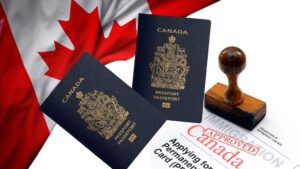

Canadian permanent residency is an immigration status that allows an approved person to live in Canada permanently, subject to the rules and responsibilities that apply to permanent residents. It is not the same as Canadian citizenship, a visitor visa, a study permit, a work permit, or a permanent resident card.
The pathway to permanent residence depends on the applicant’s circumstances and the requirements of a specific immigration program. The Government of Canada’s permanent resident status resource is a useful starting point for understanding the official framework.
What is Canadian permanent residency?
A person becomes a permanent resident after approval through an applicable Canadian immigration program. Permanent resident status provides a foundation for making Canada home within the legal framework that applies to permanent residents.
Permanent residence is distinct from citizenship. Approval for permanent residence does not make someone a Canadian citizen or guarantee approval for a future citizenship application. It also does not automatically provide employment authorization, study authorization, family sponsorship approval, or entry to Canada in every circumstance.
Permanent resident status, the PR card, and temporary documents

Immigration status and immigration documents are related but different. Understanding the distinction can prevent confusion when researching Canadian permanent residency.
| Term | What it means | What it does not mean |
|---|---|---|
| Permanent resident status | An approved status allowing a person to live in Canada permanently, subject to applicable rules and responsibilities. | It does not make the person a Canadian citizen. |
| Permanent resident card | A document associated with permanent resident status and used where proof of status is required, including relevant travel situations. | The card is not a separate immigration pathway. |
| Visitor visa | A temporary travel document that may support travel to Canada as a visitor, subject to applicable decisions and conditions. | It does not provide permanent resident status. |
| Study permit | A temporary document authorizing study under its conditions. | It does not, by itself, grant permanent residence. |
| Work permit | A temporary document authorizing work under its conditions. | It does not, by itself, grant permanent residence. |
For current information about who may apply for a PR card, consult the Government of Canada’s PR card eligibility resource. A card-related question is not necessarily the same as a question about obtaining permanent resident status.
What permanent resident status can provide
Permanent residence is intended for people approved to settle in Canada rather than enter only for a temporary purpose. It can provide a foundation for living in Canada and exercising the rights described in federal rules.
Permanent residents must also follow the obligations associated with their status. Travel documentation, status compliance, and citizenship are related but separate issues. Permanent residence may be an important step toward citizenship for some people, but citizenship has its own requirements and application process.
Broad pathways to Canadian permanent residency
No single route fits every applicant. The categories below provide orientation only and do not establish eligibility.
Economic immigration
Economic Class immigration may consider factors such as work history, skills, education, language ability, or other program-specific characteristics. Applicants must compare the current requirements of relevant programs.
Business immigration
Business class immigration may suit applicants whose experience, plans, or investment-related circumstances fit a business-focused program. A business idea or previous experience alone does not establish eligibility.
Family sponsorship
Family sponsorship Canada applications depend on qualifying relationships and requirements applying to both the sponsor and the person being sponsored. The relationship, evidence, and individual circumstances all matter.
Caregiver pathways
Caregiver immigration Canada matters may involve work history, employment circumstances, and the requirements of a particular program. A previous job or work permit is not automatically a route to permanent residence.
Students and temporary workers
International students and temporary workers may explore longer-term options after studying or working in Canada. A Study permit Canada application or a Post-Graduation Work Permit can be part of broader plans, but neither document automatically becomes permanent residence. The applicant must still meet the requirements of the relevant permanent residence program.
Humanitarian and refugee-related matters
Some people seek humanitarian and compassionate applications or Refugee representation Canada because their circumstances do not fit a straightforward economic or family route. These cases may involve sensitive facts, detailed evidence, or proceedings before the Immigration and Refugee Board and should be assessed individually.
Ararat Canada Immigration states that it provides services across economic and business immigration, family sponsorship, caregiver matters, study and work pathways, humanitarian and compassionate matters, refugee representation, citizenship, and related immigration services. Its service information is available through Canadian immigration services.
Why choosing the correct pathway matters
Pathway selection is more than choosing a label. Each program can have different eligibility criteria, evidence requirements, forms, deadlines, and consequences if an application is incomplete or unsuitable. A person who qualifies for temporary status may not qualify for a particular permanent residence stream.
Start with the Government of Canada’s immigration program explorer and compare current requirements. IRCC also explains how to determine whether you may apply for permanent residence. These resources provide orientation, but they do not replace a complete review of complicated facts.
What to consider before researching eligibility
Prepare the following information before comparing programs or requesting advice. This is preparation, not an eligibility determination.
- Current location and status: Note whether you are outside Canada, visiting, studying, working, or already a permanent resident.
- Your objective: Clarify whether you want to settle permanently, reunite with family, study, work, visit, address a refusal, or resolve a status issue.
- Work and study history: Record education, employment, credentials, language information, and dates accurately.
- Family circumstances: Identify a spouse, partner, dependent children, sponsor, or other relevant relationships.
- Immigration history: Gather details of previous applications, refusals, status changes, removals, or proceedings.
- Complex concerns: Flag humanitarian, refugee, inadmissibility, or appeal issues early.
When regulated immigration guidance may be useful
Some applicants can begin with official information and decide they need no representative. Others may benefit from case-specific review, particularly when choosing between pathways, responding to a refusal, preparing an appeal, or addressing refugee, humanitarian and compassionate, inadmissibility, or status-related concerns.
When considering a Canadian immigration consultant, verify the representative and the scope of authorized work. Ararat Canada Immigration identifies Kaiwan Ahmed Shori as a Regulated Canadian Immigration Consultant with RCIC-IRB Class L3 unrestricted practice. The firm states that it is authorized to represent clients before Immigration, Refugees and Citizenship Canada, the Immigration and Refugee Board of Canada, and the Canada Border Services Agency. These credentials describe stated authorization, not a promise of approval or a particular outcome. More information is available on the firm’s about page.
How to verify information before acting
Canadian immigration rules and program requirements can change. Confirm current instructions, eligibility criteria, forms, fees, and document requirements through official Government of Canada and IRCC resources before submitting an application. Do not rely on an informal promise or assume that another person’s route will work for you.
If you consult a representative, ask which program is being considered, why it may fit your facts, what information is missing, and what alternatives or risks should be reviewed. Keep copies of communications and submitted documents. No representative can guarantee an immigration decision.
Understanding permanent residency is the first decision
Canadian permanent residency is a permanent resident immigration status, not citizenship, a temporary visa, or simply a PR card. The card is connected with demonstrating status in relevant situations, while the route to permanent residence depends on the applicant’s facts and the requirements of a particular program.
The next step is to identify your objective, organize your immigration and family history, and compare current official information without assuming that a general description confirms eligibility. For case-specific Canadian immigration, citizenship, refugee, or appeal guidance, contact Ararat Canada Immigration through its official website.